-
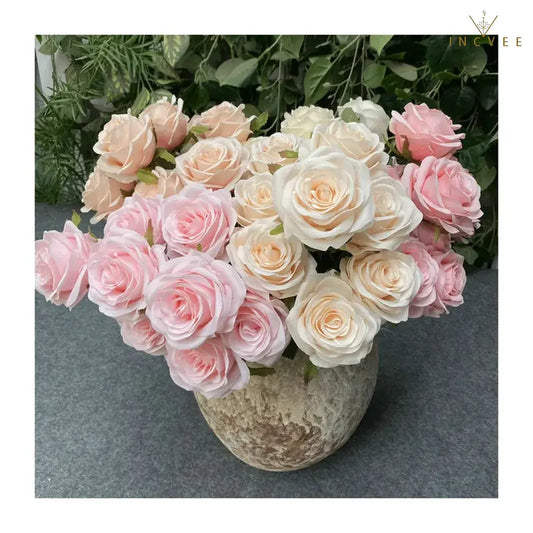
Realistic 9-Head Silk Rose Bouquet - Fade-Resistant Refined Petals, Modern Gallery Style, 18" Stem
Regular price From $16.99 USDRegular priceUnit price per$16.99 USDSale price From $16.99 USD -
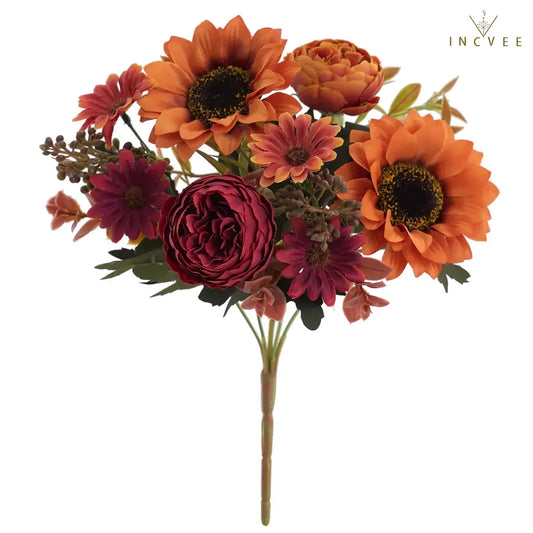
Dried-Look Faux Sunflower Bouquet - Silk Mixed Peony & Mum, Artful Heritage Decor, 12.6" Bundles
Regular price From $17.99 USDRegular priceUnit price per$15.99 USDSale price From $17.99 USD -
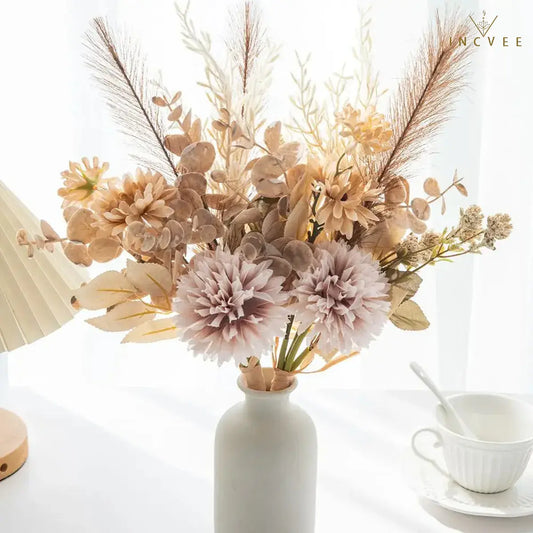
1/3pcs 17" Dried-Look Boho Bouquet - Faux Chrysanthemum Hydrangea & Pampas Mix, Modern Gallery Refinement
Regular price From $19.99 USDRegular priceUnit price per$19.99 USDSale price From $19.99 USD -
Vintage Faux Dried Artificial Pincushion Flower - Short Branch Crab Claw, Flocked Frost, 2 Heads, 15in
Regular price $16.99 USDRegular priceUnit price per$13.99 USDSale price $16.99 USD -
Zen Dried Look Faux Dandelion Flowers - Velvet Flocked, 5-Head Thorn Ball, 51.5cm, 9-Color
Regular price $15.99 USDRegular priceUnit price per$13.99 USDSale price $15.99 USD -
Aged Dried-Look Faux Maple Stem - Muted Autumn Foliage, Minimalist Zen Silence, 15" Vintage Branch
Regular price From $13.99 USDRegular priceUnit price per$13.99 USDSale price From $13.99 USD -
Realistic Dried-Style Faux Cotton Stem - Soft Natural Bolls, Artful Heritage Decor, 10-Head / 21" Stem
Regular price From $15.99 USDRegular priceUnit price per$15.99 USDSale price From $15.99 USD -
97cm Boho Chic Faux Pampas Grass - No-Shed Fluffy Plume, Warm Timeless Sanctuary, 9-Fork, 38" Single Stem
Regular price $14.99 USDRegular priceUnit price per$14.99 USDSale price $14.99 USD -
10/30pcs 16.5" Mini Faux Pampas Grass - Boho Chic Fluffy Reeds, Warm Timeless Sanctuary, Tabletop Size
Regular price From $14.99 USDRegular priceUnit price per$14.99 USDSale price From $14.99 USD -
20pcs 21.6" Bulk Faux Pampas Grass - Boho Chic Colorful Reeds, Warm Timeless Sanctuary, No-Shed Fluffy Plumes
Regular price $16.99 USDRegular priceUnit price per$16.99 USDSale price $16.99 USD