What is Incense and Its Uses: How Incense Enhances Life Quality and Promotes Relaxation
Incense is one of the simplest ways to shape mood at home: it adds fragrance, signals a pause in your day, and can make routines like meditation or a nighttime wind-down feel more intentional.
Quick answer: Incense is a blend of aromatic materials that releases fragrant smoke when it burns. People use it to relax, focus, support spiritual practice, freshen a space, and build mindful routines.
Our approach at Incvee: Keep it simple—choose one scent goal, burn in short sessions, ventilate well, and treat incense as a ritual tool rather than a remedy.
Table of Contents
- What Is Incense?
- Why People Use Incense Today
- The Cultural Significance of Incense
- How Incense Supports Relaxation and Life Quality
- How to Use Incense (Step-by-Step)
- Safety and Air Quality Tips
- How to Choose Incense for Your Goal
- Modern Rituals: Simple Ways to Add Incense to Daily Life
- FAQs
- Conclusion
What Is Incense?
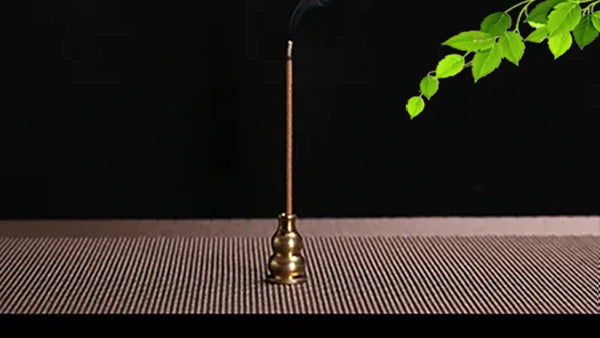
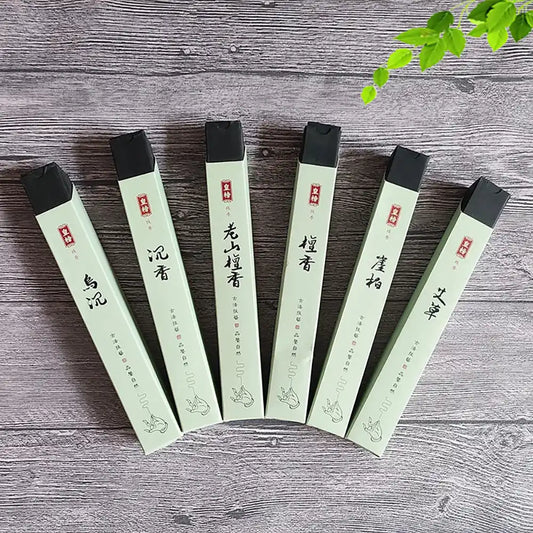
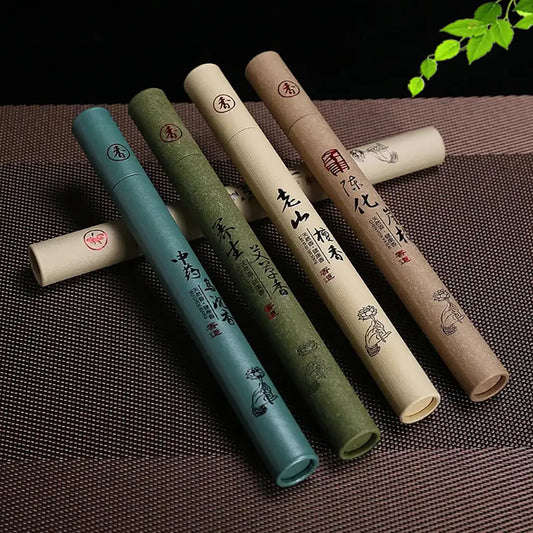
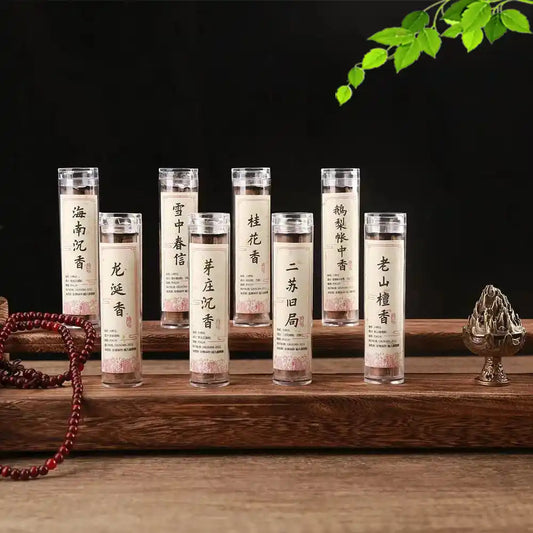
Incense is an aromatic product designed to be burned in a controlled way so it releases fragrant smoke. It’s typically made from plant-based materials (such as woods, resins, herbs, and botanical oils) bound into a stick, cone, coil, or loose blend.
At a glance:
- What it does: Scent + ritual. The aroma changes the atmosphere, while the act of lighting it creates a clear “start signal” for rest, focus, or reflection.
- Where it’s used: Homes, studios, temples, meditation rooms, and anywhere people want a calmer or more intentional ambience.
- What it isn’t: A medical treatment. It may support relaxation, but it’s not a substitute for professional care.
Common forms (high-level)
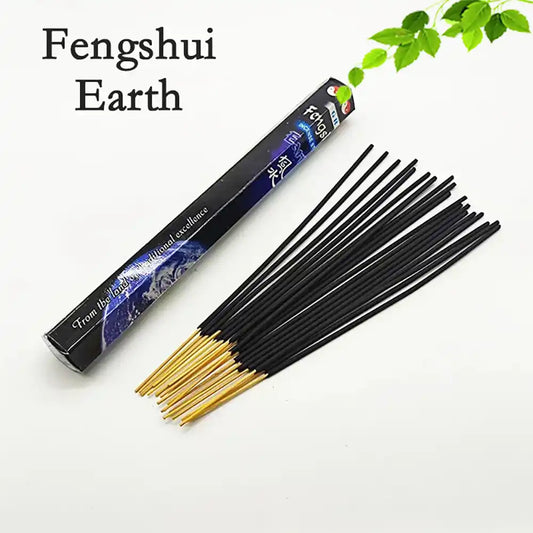
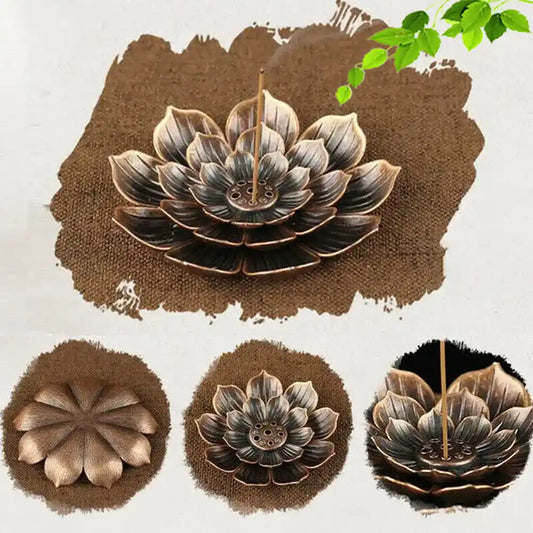
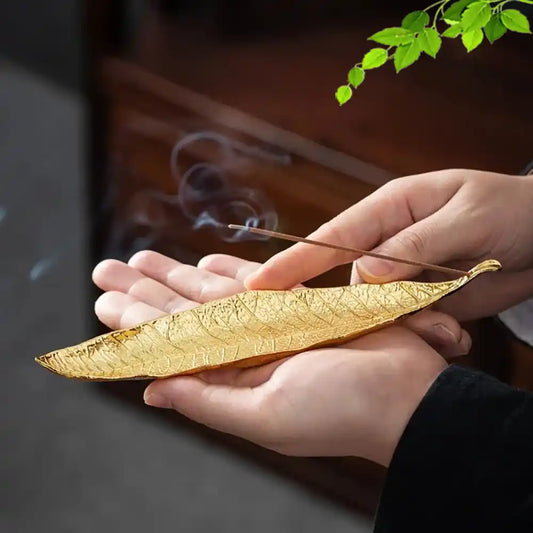
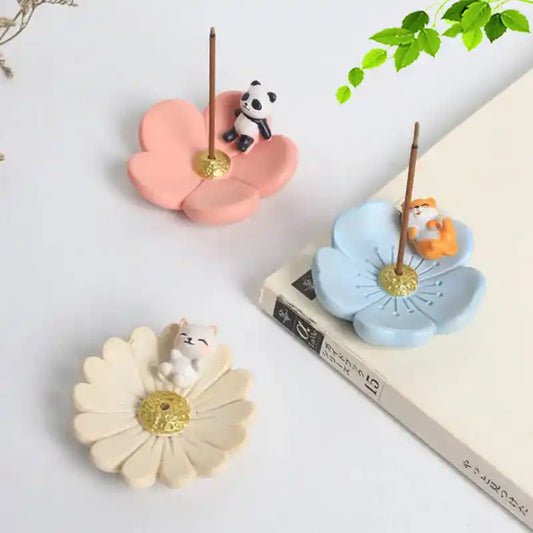
- Sticks: Easy to light and place in a holder; good for daily use.
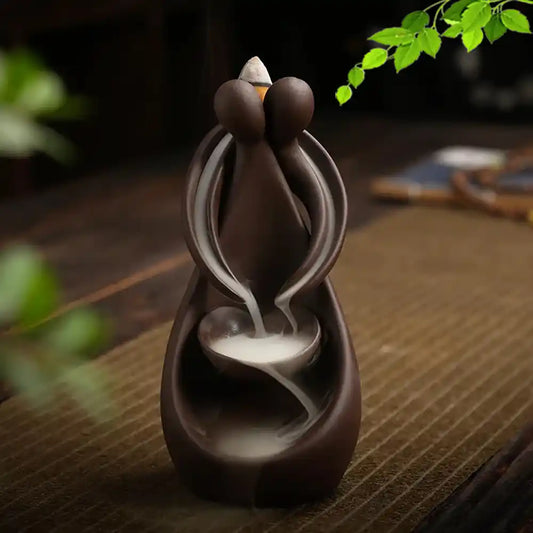
- Cones: Burn faster with a fuller, more concentrated scent in a short session.
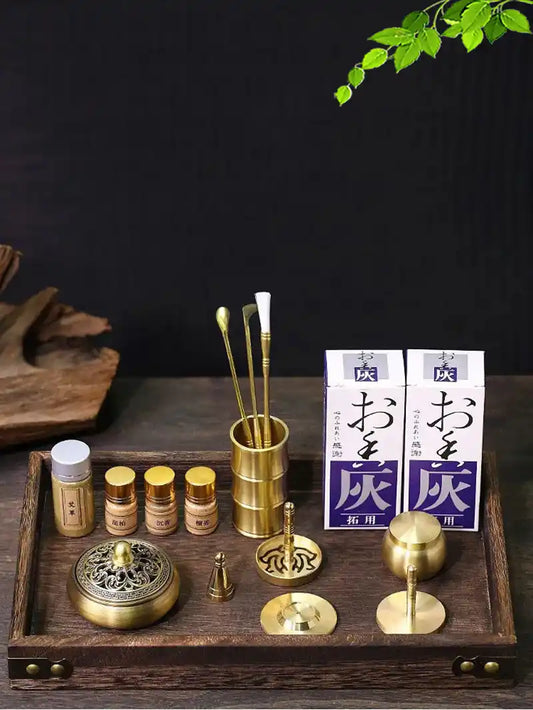
- Coils and loose blends: Often used for longer burns or more traditional setups.
Detailed Insight:
- A Comprehensive Guide to Different Types of Incense: History, Materials, and Uses
- A Deep Dive into Incense Flavors and Materials: Exploring Aromatic Profiles and Ingredients
Why People Use Incense Today
Most “modern incense” searches have one core intent: how to use incense to feel better in daily life—calmer, more focused, more grounded, or more at home. Incense is popular because it’s simple, low-cost, and naturally fits into small rituals.
- Relaxation and stress decompression: A clear sensory cue that the workday is ending.
- Meditation and yoga: A consistent scent can become a “mental anchor” for practice.
- Home ambience: Adds warmth and character to a space (especially in living rooms and bedrooms).
- Odor management: Helps mask lingering smells, especially when paired with ventilation and cleaning.
- Focus routines: A short burn can mark a “deep work” block or creative session.
The Cultural Significance of Incense
Incense is more than fragrance. In many cultures, it functions as a symbol of purification, respect, memory, and attention. Understanding these contexts helps you use incense with more intention—even in a modern home.
- Hinduism and Buddhism: Often used as an offering and as part of prayer and meditation.
- Traditional Chinese practices: Used in temples and family rituals, commonly associated with reverence and remembrance.
- Japanese culture: Connected to aesthetics and mindfulness, and historically linked with refined appreciation of scent.
If you’re exploring incense through a cultural lens, these guides are useful starting points:
- Guide to Chinese Incense: History, Types, and How to Use It
- Guide to Understanding and Using Japanese Incense
- Guide to Indian Incense: History, Popular Types, and How to Use It
How Incense Supports Relaxation and Life Quality
Incense can support relaxation through a combination of sensory experience and habit design. The aroma can influence mood and attention, and the ritual of lighting incense creates a predictable, calming routine. Results vary by person, environment, and sensitivity to scent and smoke.
1) Stress relief and emotional reset
A gentle fragrance paired with slow breathing can help many people transition from “doing mode” to “rest mode.” If your goal is stress relief, keep sessions short (5–15 minutes) and prioritize ventilation.
2) Relaxation for meditation, yoga, and mindfulness
Using the same scent consistently can become a cue that tells your brain it’s time to settle. Over time, this can make it easier to enter a calm state at the start of practice.
3) Focus and productivity routines
For focused work, the key is subtlety: choose light scents and burn for a shorter window to avoid distraction. Many people use incense as a timer—start a 25–45 minute work block, then stop or let it finish naturally.
4) Better sleep routines
Incense can be part of a wind-down ritual (dim light, screens off, quiet music). For safety, avoid burning incense unattended and do not fall asleep with it lit.
Detailed Insight:
How to Use Incense (Step-by-Step)
Incense sticks
- Place the stick in a stable, heat-safe holder on a non-flammable surface.
- Light the tip for a few seconds, then gently blow out the flame so it smolders.
- Let it burn in a ventilated room. Extinguish completely when finished.
Incense cones
- Place the cone on a heat-safe plate or cone holder.
- Light the tip and blow out the flame after it catches.
- Keep away from drafts that can increase smoke or ash mess.
Detailed Insight:
- How to Choose and Use Incense Sticks for Your Needs
- The Essential Guide to Incense Cones: Benefits, Types, and How to Use Them
Safety and Air Quality Tips
Incense produces smoke. Used responsibly, many people enjoy it safely, but it’s important to treat it like any other burning product.
- Ventilation matters: Open a window or run an exhaust fan, especially in small rooms.
- Use a stable holder: Prevent tipping and keep ash contained.
- Burn in short sessions: More isn’t always better; a lighter burn often smells cleaner.
- Keep away from kids and pets: Place incense out of reach and avoid exposing sensitive animals to smoke.
- Avoid unattended burning: Extinguish before leaving the room or going to sleep.
- Be cautious with sensitivities: If you have asthma, allergies, or respiratory conditions, consider alternatives (shorter sessions, lower-smoke products, or non-combustion options).
Authoritative references (air quality and smoke):
- U.S. EPA: Indoor Air Quality (IAQ)
- World Health Organization: Air pollution
- American Lung Association: Indoor air pollutants
How to Choose Incense for Your Goal
Choosing incense is easier when you start with your goal (relax, focus, comfort, refresh) and then narrow down by intensity (light vs. bold) and burn time (short vs. long).
| Goal | What to look for | How to use it |
|---|---|---|
| Relax and unwind | Warm, soft, grounding profiles | 5–15 minutes with ventilation; pair with slow breathing |
| Focus and study | Light, clean, non-sweet profiles | Short session at the start of a work block |
| Sleep routine | Gentle, calming profiles; low intensity | Burn earlier in the evening; extinguish before bed |
| Freshen a room | Crisp profiles that don’t overpower | Ventilate first, then burn briefly to finish |
Incvee tip: If you’re new to incense, start with a lighter scent and a shorter session. It’s easier to add intensity later than to remove smoke from a small room.
Modern Rituals: Simple Ways to Add Incense to Daily Life
Incense works best when it becomes part of a repeatable routine. These ideas keep the ritual practical and beginner-friendly.
1) The 5-minute reset
Light incense, take 10 slow breaths, and tidy a small surface (desk or coffee table). This pairs scent with a tiny action that makes your space feel calmer.
2) Yoga and meditation cue
Use incense only at the start of practice. Over time, the scent becomes an “attention switch” that helps you enter a calmer state faster.
3) Deep work timer
Burn a subtle scent for the first 10 minutes of focused work, then let it fade. The goal is to anchor attention—not fill the room with smoke.
4) Nighttime wind-down
Pair incense with a consistent pre-sleep routine (dim lights, warm drink, journaling). Extinguish completely before getting into bed.
FAQs
1) Is incense safe to use indoors?
It can be, when used responsibly: ventilate the room, burn short sessions, use a stable holder, and avoid leaving it unattended. If you have respiratory conditions, be extra cautious or consider non-combustion alternatives.
2) How long does incense burn?
It depends on the form and size. Many sticks burn roughly 30–60 minutes, while cones often burn 15–30 minutes. Always check the product’s label and burn in a safe setup.
3) Why does my incense smell harsh or too smoky?
Common causes are poor ventilation, burning too much at once, or a scent profile that’s too intense for the space. Try a shorter session, open a window, or switch to a lighter fragrance.
4) Can incense help with relaxation and sleep?
Many people find it helpful as part of a wind-down routine. For sleep, burn it earlier in the evening and extinguish before bed for safety.
5) How do I use incense for meditation?
Light it before you begin, then use the scent as a gentle reminder to return attention to your breath. Keep the burn subtle so it supports, rather than distracts from, your practice.
6) Does incense remove odors?
Incense mainly masks odors with fragrance. For best results, clean the source of the odor and ventilate first, then use incense briefly to finish the space.
7) How should I store incense?
Store it in a cool, dry place away from sunlight and strong smells. A sealed container helps preserve the scent.
Conclusion
Incense can be a small but powerful tool for relaxation and life quality: it shapes atmosphere, anchors routines, and adds meaning to ordinary moments.
Key takeaways:
- Start with intent: Pick one goal (relax, focus, refresh) before you pick a scent.
- Keep it light: Short sessions + good ventilation usually feel best.
- Use it as a cue: The ritual is often as valuable as the fragrance.
- Prioritize safety: Stable holder, no unattended burning, and extra caution for sensitivities.
To further enhance your understanding of incense and its uses, visit our Incense Hub Page for a collection of detailed articles and guides to help you find the best products and techniques for your needs.
Additional Guides in This Topic
- Guide to Copal Incense: Benefits, Scent, and Uses
- The Essential Guide to Incense Coils: What They Are and How to Use Them
- Incense Powder: The Complete Guide to Usage, Tools, and Benefits
- A Comprehensive Guide to Citronella Incense: Benefits, Scent, and Uses
- Guide to Lavender Incense: Benefits, Scent, and Uses