Choosing the Right Incense and Holder: A Shopper's Guide for Calm Homes
Table of Contents
- Types of Incense and Their Aromas
- Choosing an Incense Holder: Material & Design
- Safety and Air Quality: Risks and Mitigation
- How to Match Incense and Holder to Room Size
- Burning Techniques and Best Practices
- Eco-Friendly and Non-Toxic Options
- Shopping Checklist: What to Look For When Buying Incense & Holders
- Buyer Examples and Real-World Cases
- Final Recommendations and Next Steps
- Frequently Asked Questions
Types of Incense and Their Aromas
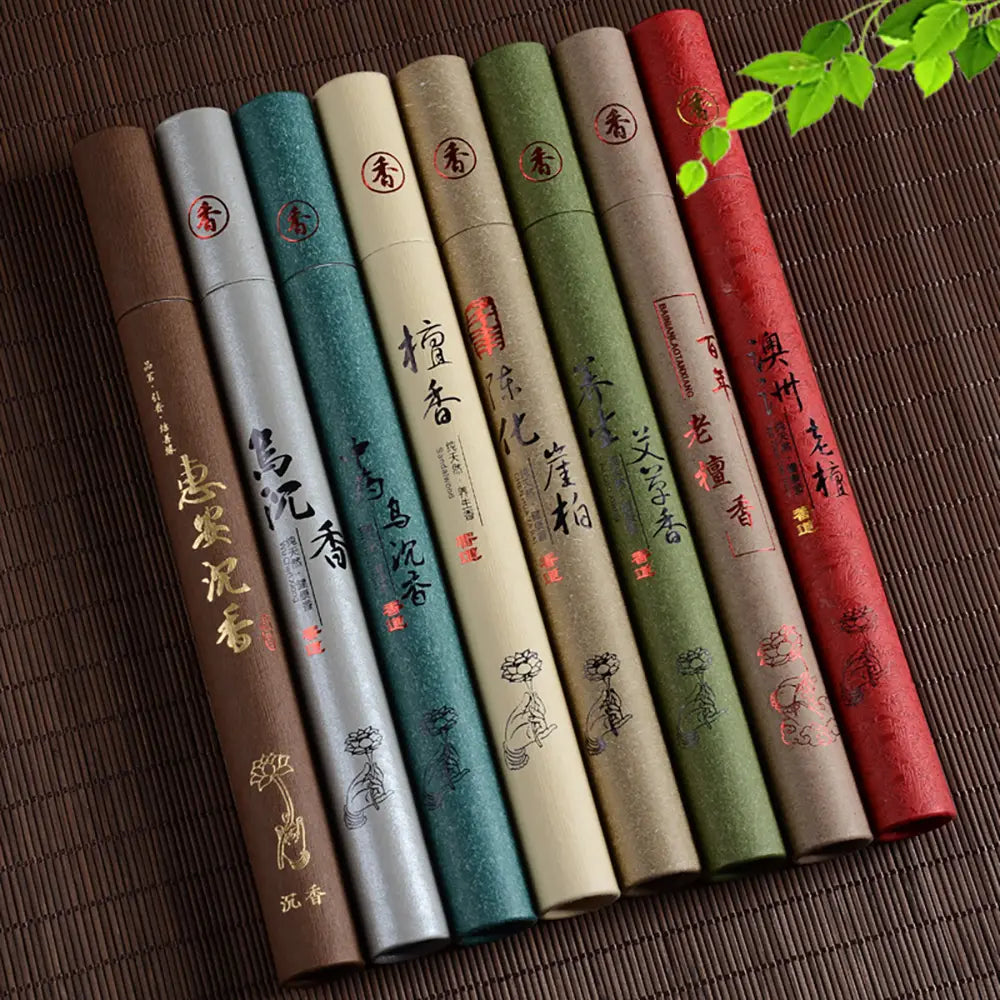
Incense comes as sticks, cones, coils, and resins; each form and raw material produces different scent character and burn profile. Choose by scent intensity, burn time, and intended use (relaxation, meditation, odor control).
Understanding the main forms and fragrance families helps you match an incense to mood and space.
Common incense forms
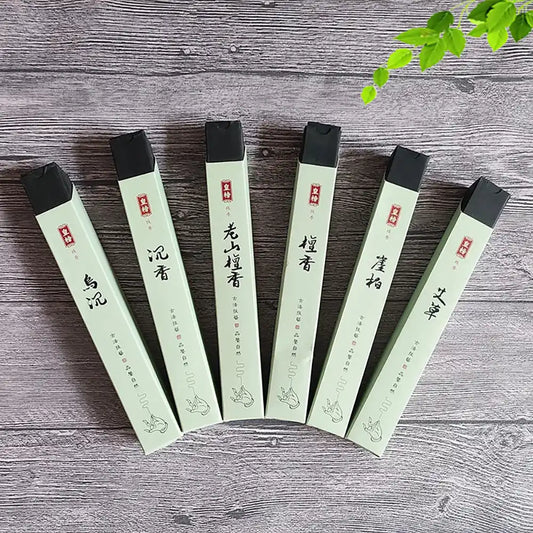
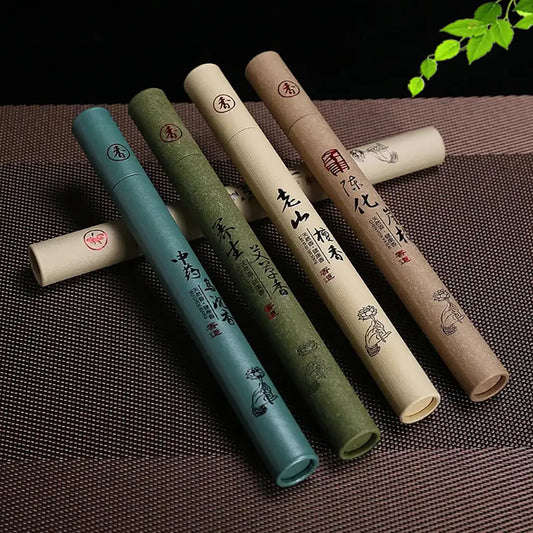
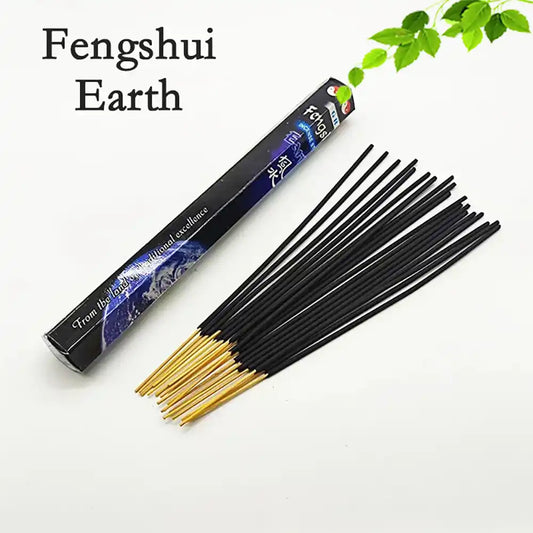
- Stick incense — uniform burn, easy to use with many holders; ideal for daily aroma.
- Cone incense — shorter, more intense smoke burst; good for short sessions and rituals.
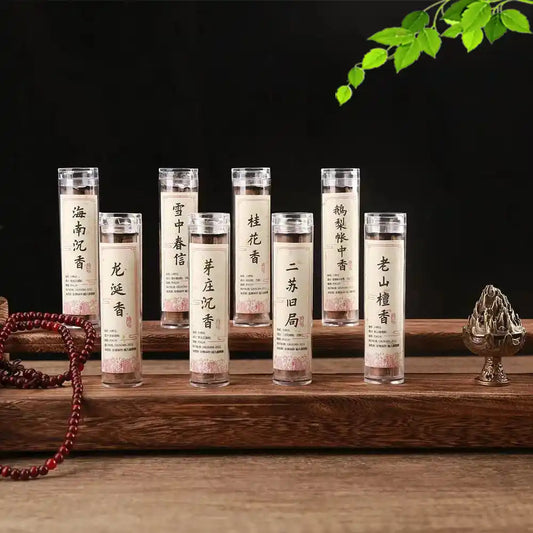
- Resin (frankincense, myrrh) — burned on charcoal; rich, complex aroma best for ceremonial use.
- Coils & rope — long-lasting for temples or outdoor patios.
Fragrance families and effects
- Woodsy (sandalwood, cedar): grounding, low sweetness.
- Floral (jasmine, rose): uplifting, often lighter smoke.
- Herbal (sage, lavender): calming, used for cleaning or sleep routines.
- Spicy/Oriental (patchouli, clove): warming, stronger profile.
Choosing an Incense Holder: Material & Design
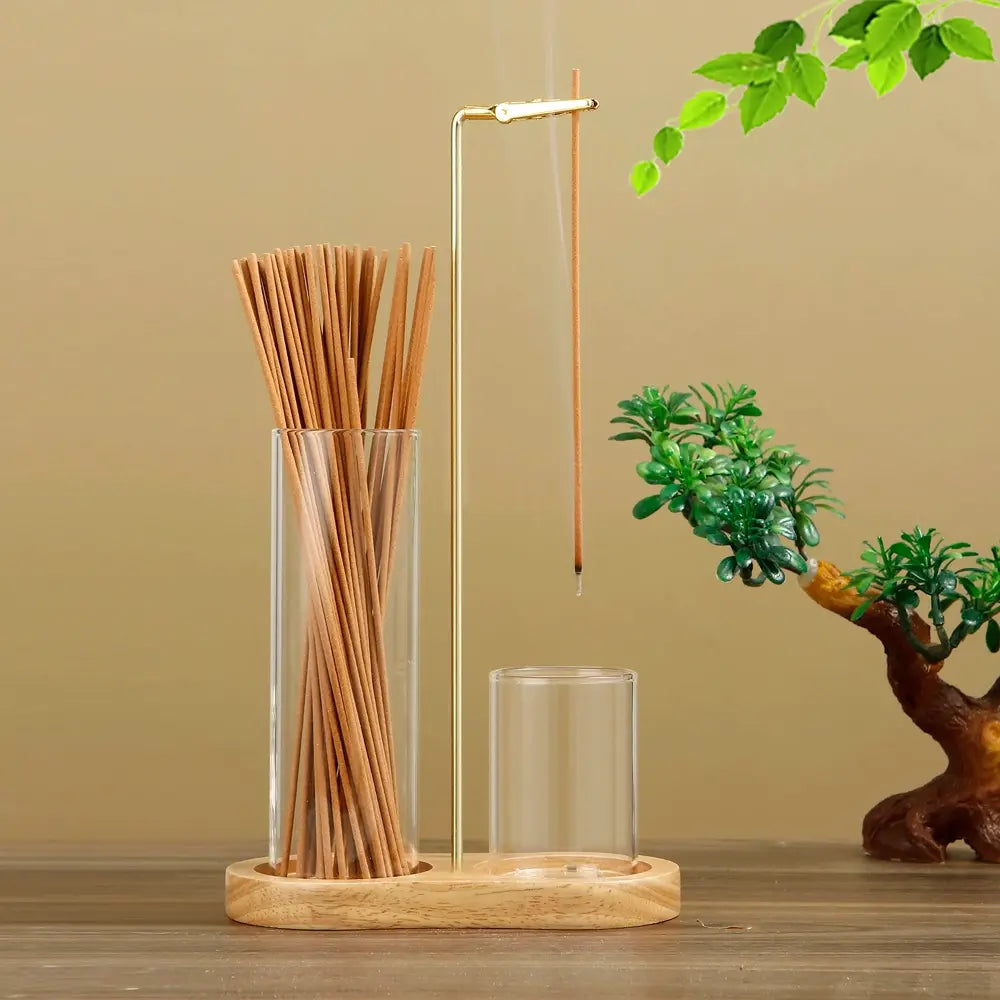
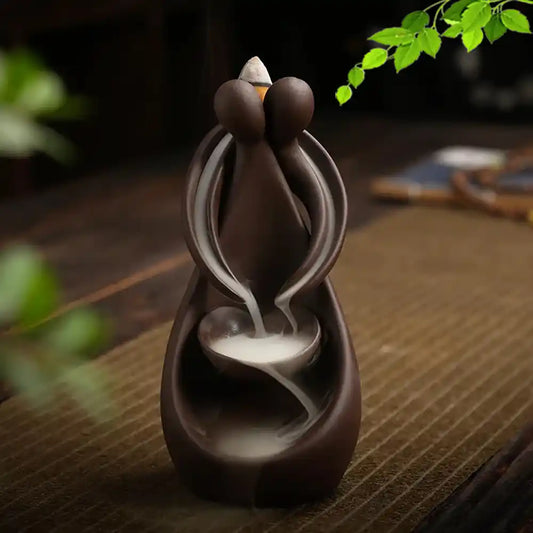
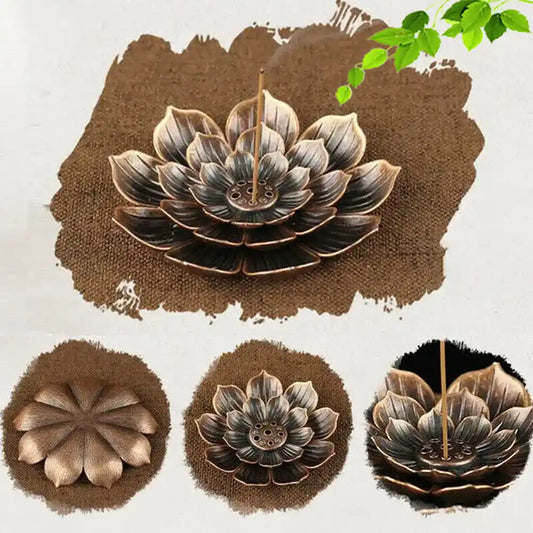
2-in-1 Incense Stick Holder & Burner with Removable Glass Ash Tray
Match holder material and design to your incense type, safety needs, and décor—ceramic, metal, stone, and wood each have pros and cons.
Select a holder that catches ash, resists heat, and complements where you'll burn incense.
Material advantages and tradeoffs
| Material | Best for | Pros | Cons |
|---|---|---|---|
| Ceramic | Sticks, cones, resins (with charcoal plate) | Heat resistant, attractive, easy to clean | Can chip if dropped |
| Metal (brass/steel) | Sticks, cones | Durable, sleek, heat-dispersing | Heats up; check finish for corrosion |
| Wood | Sticks, coils | Warm aesthetic, often carved | Absorbs oils; can scorch—use ash trays |
| Stone (soapstone, slate) | Cones, resins | Very heat resistant, minimal ash mess | Heavy; limited shapes |
Design features to prioritize
- Stable base and wide ash-catchment area
- Proper stick angle (20–45°) for steady burn
- Charcoal-safe trays for resins
- Closed or ventilated designs if using in small rooms
Safety and Air Quality: Risks and Mitigation
Incense produces particulate matter and VOCs; with frequent burning, indoor air can be affected—practice ventilation and moderation to reduce exposure.
Use evidence-based practices—ventilation, lower-burning frequency, and non-toxic materials—to protect health.
What the research says
Incense smoke emits particulate matter (PM2.5) and volatile organic compounds similar to wood smoke. Long-term exposure has been associated with respiratory symptoms and, in some studies, cancer risk (PubMed).
The U.S. Environmental Protection Agency emphasizes reducing indoor sources and increasing ventilation to lower airborne particle levels (EPA on indoor air).
Practical mitigation steps
- Burn incense near open windows or with cross-ventilation; aim for periodic air changes.
- Limit frequency—consider 1–3 short sessions per week in living spaces.
- Choose natural, additive-free incense; avoid heavily fragranced or synthetic products.
- Use air purifiers with HEPA filters if you burn regularly, especially in small rooms.
How to Match Incense and Holder to Room Size
Match burn intensity and holder type to room volume; small rooms need low-smoke options and greater ventilation, while large rooms tolerate stronger scents.
Adjust quantity, form, and placement to keep scent effective without overpowering or polluting the space.
Quick sizing guide
- Small rooms (<150 sq ft): Use short sticks, single cones, or gentle resins; keep window cracked.
- Medium rooms (150–350 sq ft): Standard sticks or small coils; place holder centrally away from fabrics.
- Large rooms (>350 sq ft): Longer coils or multiple sticks; consider open-plan flow and multiple vents.
Holder placement tips
- Place on a heat-resistant surface, away from curtains and clutter.
- Elevate slightly (shelf or table) so ash falls into catchment and not on floors.
- Avoid direct draft if you want a steady scent; use cross-breeze for quicker clearing.
Burning Techniques and Best Practices
Proper lighting, extinguishing, and ash management extend fragrance quality and reduce hazards; charcoal is required for many resins.
Follow safe lighting techniques and clean holders regularly to maintain performance and safety.
Step-by-step: how to burn different forms
- Sticks: Light tip until glowing, blow out flame; set in angled holder that catches ash.
- Cones: Light top, let flame burn briefly, then seal with ash catcher if needed.
- Resins: Light quick-burning charcoal discs in a ceramic or stone burner; when hot, add a small amount of resin.
Maintenance and cleaning
- Empty ash after each use to prevent residue buildup.
- Soak ceramic/metal holders in warm, soapy water; gently scrub soot.
- For wood holders, wipe with a dry brush and avoid soaking.
Eco-Friendly and Non-Toxic Options
Natural, sustainably sourced incense and biodegradable holders reduce environmental and health impact—look for ingredient transparency and certifications.
Pick ethically harvested raw materials, FSC-certified wood, and low-additive formulations to minimize harm.
Labels and certifications to trust
- Ingredient transparency on packaging (botanical names, additives)
- Third-party eco labels (look for FSC or similar for wooden products)
- Small-batch or artisanal producers who disclose sourcing methods
Alternatives to smoke-based scenting
- Essential-oil diffusers (ultrasonic) for scent without combustion
- Scented sachets or wax melts (watch for synthetic fragrances)
- Fresh herbs or simmer pots for natural aroma
🌿 Your wellness ritual should be pure. Incvee offers natural incense and sustainable holders, ensuring a clean, calming burn for you and the planet.
Shopping Checklist: What to Look For When Buying Incense & Holders
Use a focused checklist—material, burn form, ingredients, safety features, and return policy—to make a confident purchase.
Assess both product details and vendor transparency before buying.
Essential buying criteria
- Clear ingredient list (avoid "proprietary fragrance" labels)
- Holder heat resistance and ash containment
- Size, style, and portability based on intended rooms
- Vendor reviews and customer photos
- Return policy and warranty
Sample quick checklist to print or save
- What form do I want? (stick/cone/resin)
- What room will I use it in and how big is it?
- Is the scent natural and are ingredients listed?
- Does the holder have good ash catch and stable base?
- What are the vendor reviews and return terms?
🔔 "I switched to hand-rolled sandalwood sticks and a soapstone bowl—less dust, better burn, and it suits our living room décor perfectly." — Community buyer review
Buyer Examples and Real-World Cases
Real scenarios show how choices vary: small apartment users prioritize low-smoke sticks and ventilation; yoga studios prefer resins on charcoal for layered aroma.
Matched examples help you pick a realistic option for your space and use case.
Case scenarios
- Small apartment, allergy concerns: One stick, natural lavender, open window, HEPA purifier on low.
- Home office, focus boost: Sandalwood stick in ceramic holder; 15–20 minute sessions mid-morning.
- Studio or ceremony: Resin on charcoal in a stone burner, strong ventilation and no carpeting near the burner.
Metrics to track when testing
- Burn time per stick/cone (minutes)
- Perceived scent intensity (1–5 scale)
- Residue/ash amount and cleaning frequency
- Any respiratory or odor complaints from occupants
Final Recommendations and Next Steps
Start small, prioritize natural ingredients and proper holders, and test in short sessions while monitoring air quality and comfort.
Follow a simple plan—choose one incense + holder combo, test in a controlled session, then adjust frequency and ventilation.
Action plan (3 steps)
- Select a natural incense type and a matching holder from the checklist above.
- Test one 10–20 minute session with windows open; note scent strength and any irritation.
- Adjust holder placement, burn time, or switch form (sticks/cones/resins) based on results.
For more on indoor air and reducing particulate exposure, see resources from the U.S. Environmental Protection Agency (EPA) and public health literature on combustion-related indoor pollutants (NIH PubMed review).
Frequently Asked Questions
Clear answers to common buyer questions about scent strength, safety, substitutions, and maintenance.
How often is it safe to burn incense indoors?
Moderation is key. For general home use, limit to a few short sessions per week and ensure ventilation. If anyone in the household has asthma or allergies, reduce frequency further or switch to non-combustion scenting.
Are some incense materials safer than others?
Natural plant-based products without synthetic additives are generally preferable. Avoid products with vague "spice/fragrance" listings or heavy petrochemical-based fragrances. However, even natural incense produces particulates—so follow ventilation guidance.
Can I use essential oils instead of incense?
Yes—ultrasonic diffusers release scent without combustion and often lower particulate output. But essential oils can still trigger sensitivities; choose high-quality, pure oils and dilute appropriately.
How do I clean resin soot from a burner?
Let the burner cool fully. Scrape off loose residue, soak ceramic/metal parts in warm soapy water, and use a soft brush. For stubborn resin, soak in a mild solvent like rubbing alcohol (test first) or use a paste of baking soda and water.
What if the scent is too strong?
Extinguish the source, open windows to ventilate, and use an air purifier on high. For future use, reduce burned amount, choose lighter scents, or switch to cones/sticks that produce less smoke.
Related Articles:
-
Mindfulness at Home: The Complete Guide
- DIY Incense Holder: Step-by-Step Crafting Guide
- Using a Wooden Incense Holder: Complete Guide
- Top 5 Japanese Incense Holders for 2025
- 5 Cute & Unique Incense Holders for Every Mood
- Complete Incense Holder Guide: Types & Materials
- Cleaning & Maintenance Tips for Incense Holders