
Mindfulness at Home: The Complete Guide to Incense, Rituals, and Focus
Table of Contents
- Why mindfulness at home matters
- How incense and scent influence focus
- Choosing safe incense and alternatives
- Simple scent-based rituals to boost attention
- Breath and micro-practice techniques for sustained focus
- Measuring progress: metrics and simple tracking systems
- Tools, setup, and a safety checklist
- Limitations, sustainability, and evidence-based cautions
- Seven-day starter plan: practical implementation at home
- FAQs
Why mindfulness at home matters
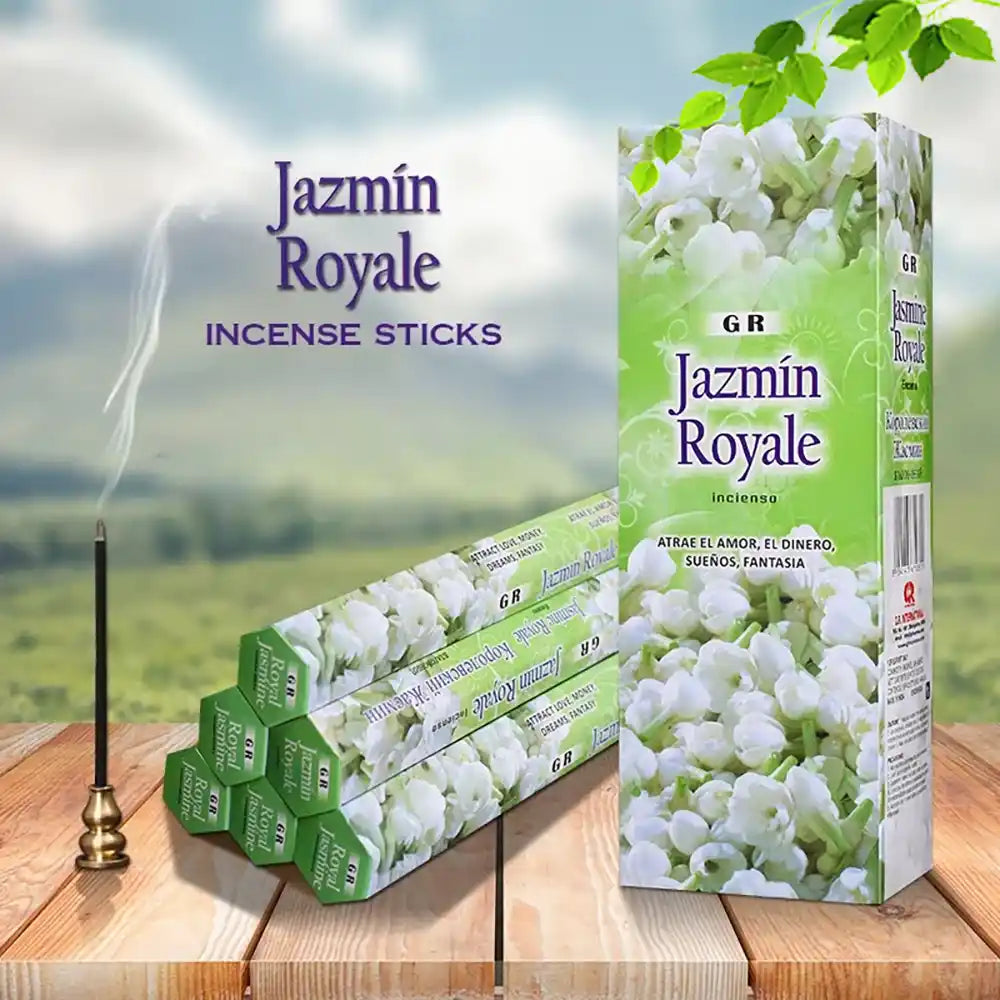
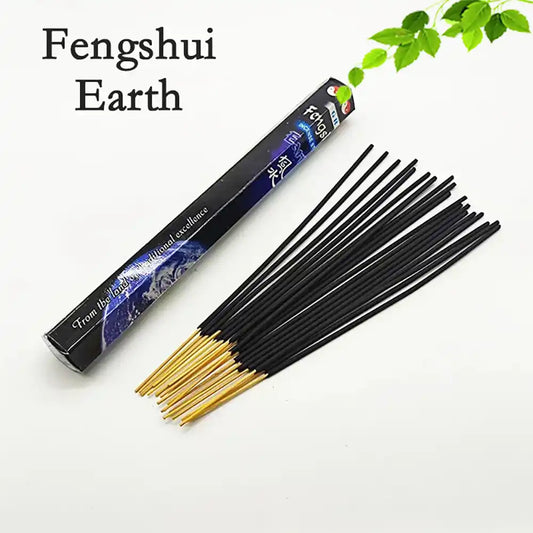
GR Indian Incense Sticks - 20 Sticks Sandalwood Red Rose Forest
Practicing mindfulness at home creates predictable cues that reduce distraction, lower stress, and increase sustained attention—key ingredients for productive focus and wellbeing.
Bringing mindfulness into the home environment turns everyday moments into opportunities for clarity. Research shows regular mindfulness practice improves attention regulation and reduces rumination, with measurable changes in brain regions linked to focus and emotional control (see evidence from the National Institutes of Health and Harvard Medical School). For busy people, short, ritualized practices are more sustainable than occasional long sessions.
Further Reading:
- How to Build a 10‑Minute Mindfulness Ritual with Incense
- The Science Behind Scent and Mindfulness: What Research Says
- Best Incense Scents for Meditation and Focus
How incense and scent influence focus
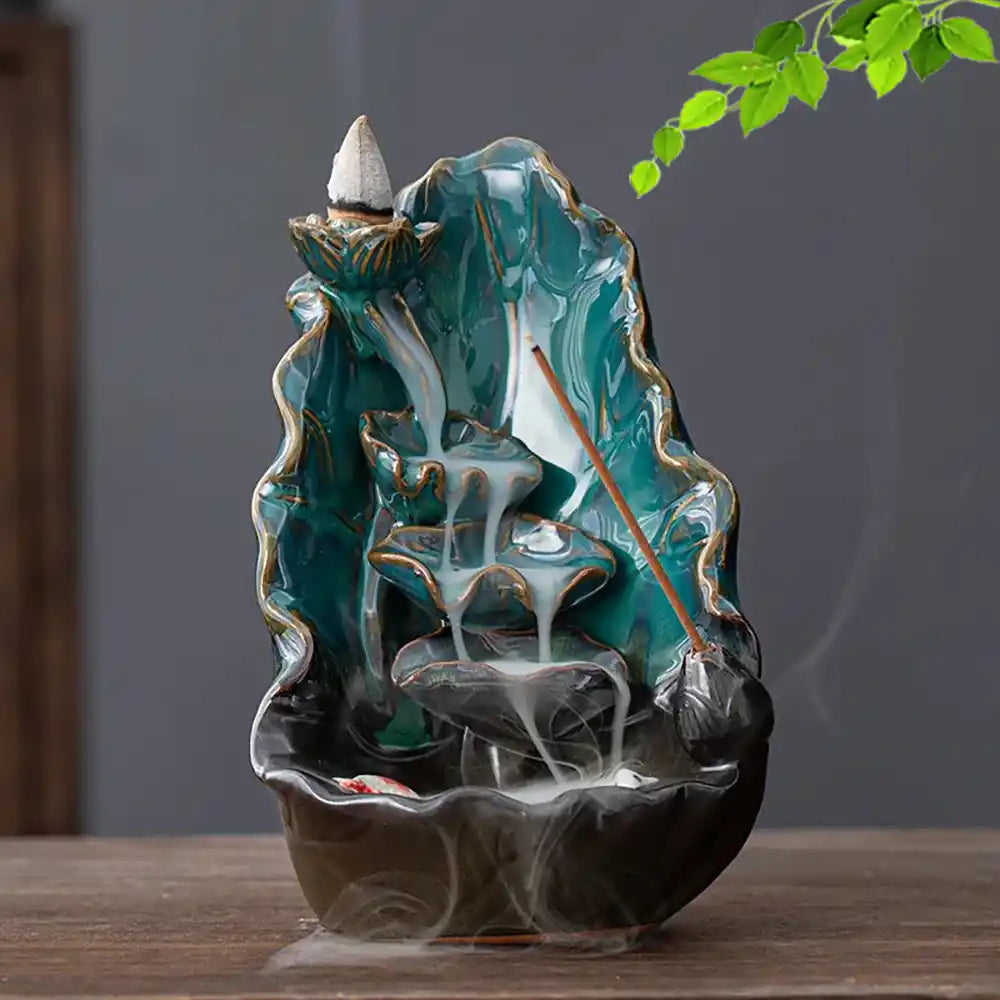
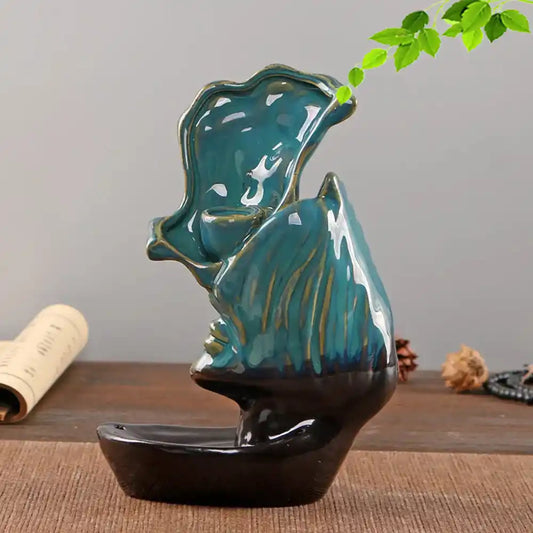
Ceramic Lotus Leaf Backflow Incense Burner - Artistic Conception Handicrafts
Olfactory cues can prime attention by engaging memory and emotion networks; scent-based rituals strengthen conditioned focus when used consistently.
Scent signals enter the brain through the olfactory bulb, which has direct connections to the amygdala and hippocampus—areas that process emotion and memory. That’s why a particular aroma can rapidly shift mood or recall past states. Controlled studies find that certain scents (e.g., rosemary, peppermint) can transiently improve alertness and cognitive performance, while calming scents (e.g., lavender) reduce stress and facilitate sustained attention when paired with relaxation practice.
Key takeaways:
- Scent acts as a cue: When paired with a short ritual, the aroma becomes a conditioned signal for focus.
- Scent impacts physiology: Some essential oils transiently increase heart rate or alertness; others lower sympathetic arousal.
- Context matters: The same scent can either energize or soothe depending on expectations and setting.
Choosing safe incense and alternatives
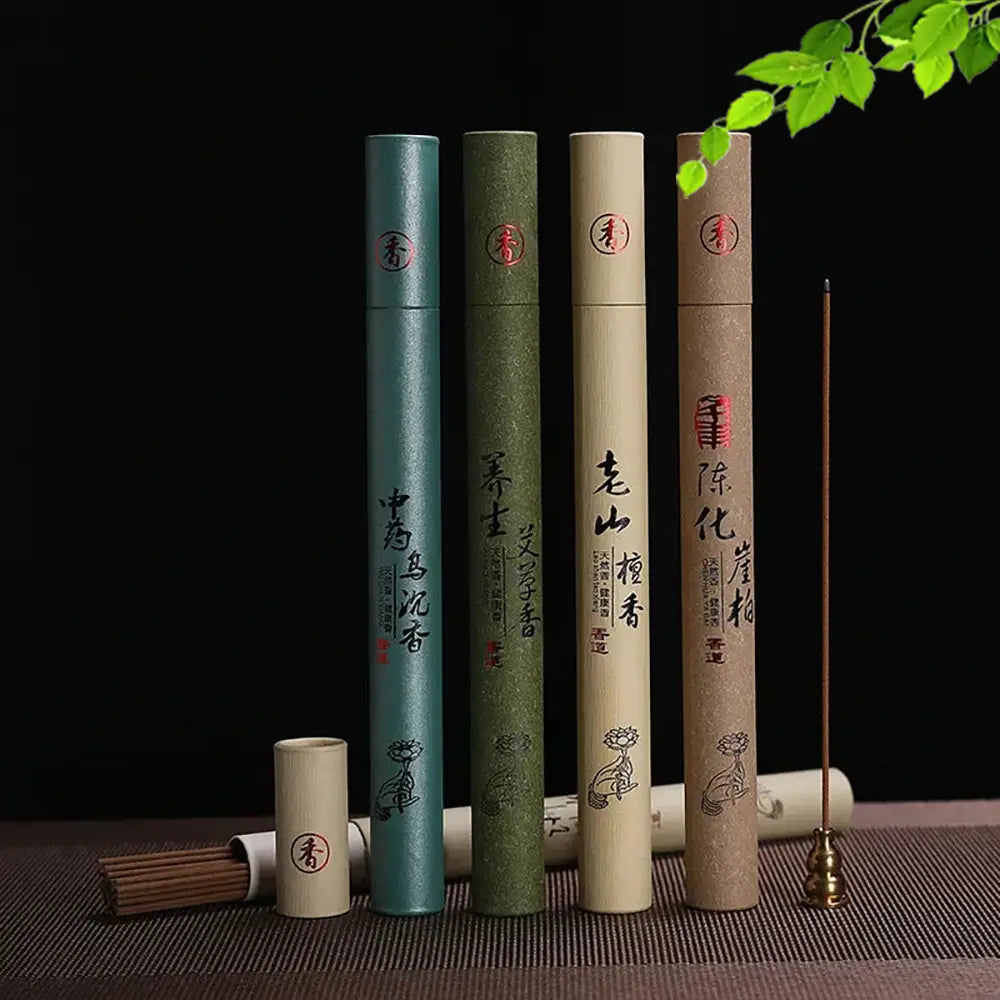
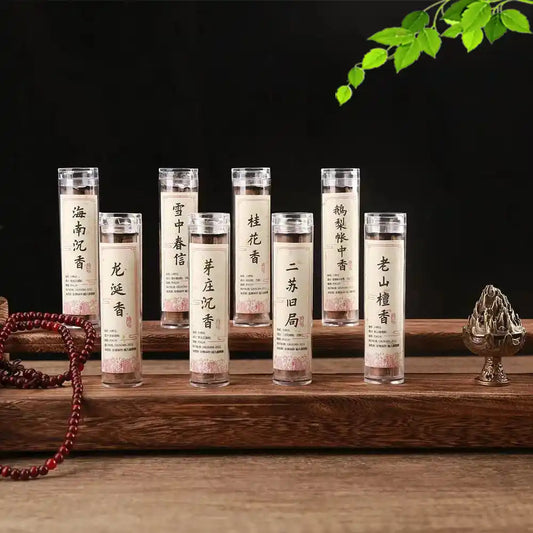
Xiangdao Wellness Incense Sticks – 40 Sticks of Natural & Healing Aromas for Relaxation
Not all incense is equal—select low-emission products, consider alternatives (diffusers, beeswax candles), and follow ventilation best practices to protect indoor air quality.
Incense smoke can contain fine particulates and volatile organic compounds. The U.S. Environmental Protection Agency and research studies recommend limiting exposure in enclosed spaces. Safer choices and alternatives include:
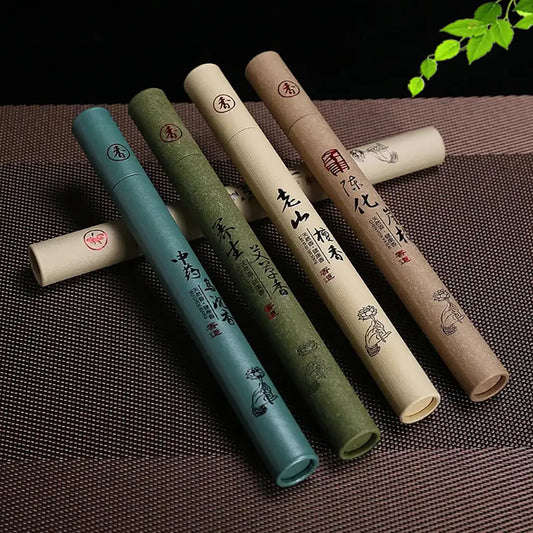
- Natural incense made from single-resin or herbal blends without synthetic fragrances.
- Essential oil diffusers (ultrasonic) that disperse scent without combustion.
- Beeswax or soy candles with cotton wicks for low-soot burning.
When you do burn incense, use it in a ventilated room and avoid prolonged, daily heavy use. For detailed indoor-air health guidance, see the EPA’s indoor air resources: epa.gov/indoor-air-quality-iaq.
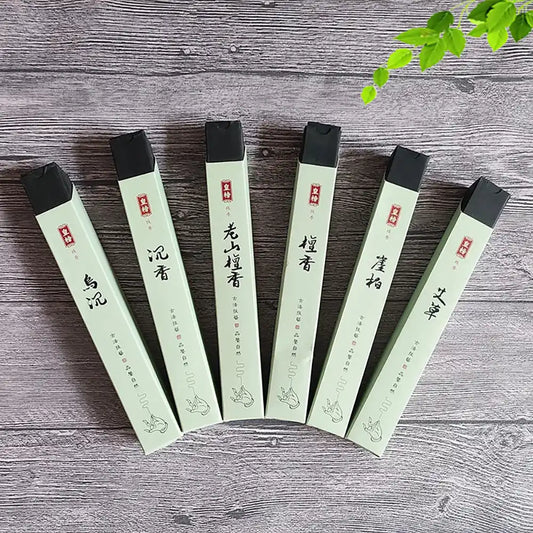
🧘♀️ Prioritize purity and peace of mind. Incvee's premium, natural blends are crafted for safety and serenity, enhancing your focus without compromise.
Further Reading:
- Choosing the Right Incense and Holder: A Shopper's Guide for Calm Homes
- Is Natural Incense Safe? Health, Smoke, and Indoor Air FAQs
Simple scent-based rituals to boost attention
Short, repeatable rituals (2–15 minutes) reinforce focus; combine an aroma cue with a physical routine and a goal to make them stick.
Design rituals that are brief, sensory, and repeatable. Below are three proven templates you can adapt at home.
1) Two-minute arrival ritual (best for starting work)
- Light a low-smoke incense stick or start a diffuser (consistent scent).
- Shift posture: sit upright, feet flat, hands on desk.
- Take four slow inhales — 4-4-6 breathing (inhale 4s, hold 4s, exhale 6s).
- State your three priorities out loud or in a notebook.
2) Five-minute reset ritual (midday recharge)
- Change location or stand by a window; brief ventilated exposure if burning incense.
- Diffuse a bright scent (peppermint or rosemary) for 60–90 seconds.
- Do a 3-minute focused-breathing exercise or a 2-minute body scan.
- Return to task with one set Pomodoro (25 minutes).
3) Evening clearing ritual (transition out of work)
- Use a calming scent (lavender or cedar) and dim lights.
- Write down unfinished items and assign them a time slot for the next day.
- Practice 5 minutes of mindful breathing or guided relaxation to lower arousal.
Breath and micro-practice techniques for sustained focus
Short breath-focused practices (1–10 minutes) reliably improve attention and executive control when done regularly and tracked.
Practical micro-practices are essential for busy routines. Below are specific techniques, how to perform them, and when to use each one.
- Box breathing (2–4 minutes): inhale 4s — hold 4s — exhale 4s — hold 4s. Use before high-stakes tasks to stabilize attention.
- 4-7-8 breath (relaxation): inhale 4s — hold 7s — exhale 8s. Use at end-of-day rituals to reduce sympathetic tone.
- Focused-count breath (attention training): count each exhale up to 10, restart on distraction. Aim for 5 minutes daily to build attention span.
Evidence summary: Mindfulness-based practices, including attention to breath, demonstrate improved sustained attention and reduced mind-wandering in controlled studies (see a review at the National Center for Complementary and Integrative Health: nccih.nih.gov, and meta-analyses archived at PubMed: ncbi.nlm.nih.gov/pmc/articles/PMC3679190/).
Measuring progress: metrics and simple tracking systems
Use short, repeatable measures (focus minutes, Pomodoro cycles, perceived stress) to track improvement and maintain motivation.
To demonstrate benefit and adjust practices, track objective and subjective metrics. A lightweight system takes less than two minutes per day.
- Objective: Number of uninterrupted focus minutes per session (start with 25-minute Pomodoro units).
- Subjective: Perceived Focus Score (1–10) and Perceived Stress Score (PSS short form).
- Behavioral: Tasks completed from the three-priority list.
Example weekly tracking table (simple):
| Day | Focus Sessions (25m) | Avg Uninterrupted Minutes | Perceived Focus (1–10) | Notes / Scent Used |
|---|---|---|---|---|
| Mon | 3 | 23 | 6 | Peppermint morning |
| Tue | 4 | 25 | 7 | Diffuser reset |
Use these metrics to judge whether a chosen scent, timing, or ritual reliably supports focus. Aim to increase uninterrupted minutes gradually by 10–20% per week.
Tools, setup, and a safety checklist
Equip a simple, safe kit—incense holder, diffuser, timer, and ventilation—and follow a short safety checklist before each session.
Essential tools:
- Stable incense holder or heatproof tray.
- Ultrasonic essential oil diffuser (for non-combustion scenting).
- Timer app with Pomodoro or interval features.
- Small air purifier or open window for ventilation.
Safety checklist (before lighting or diffusing):
- Ensure room is ventilated (crack a window or use fan).
- Place incense away from fabrics, curtains, and children/pets.
- Use only recommended oil dilutions for diffusers (avoid concentrated neat oils).
- Limit burning sessions to 10–20 minutes for small rooms; monitor for irritation.
For authoritative guidance on indoor air and combustion products, consult EPA resources: EPA Indoor Air Quality.
Limitations, sustainability, and evidence-based cautions
While rituals and scent help focus, combustion products and overuse can harm air quality; sustainable sourcing and moderation are essential.
Limitations and cautions:
- Health risks: Frequent inhalation of incense smoke can increase respiratory irritation. People with asthma, allergies, or cardiovascular issues should favor non-combustion options.
- Sustainability: Some aromatic woods (e.g., palo santo) are overharvested—choose certified, sustainably sourced products.
- Expectation management: Scent cues support but don’t replace evidence-based attention practices—combine ritual with breath work and structured task management.
Evidence-based context: Mindfulness and short attention training show consistent, moderate effects on attention and stress reduction in randomized trials and meta-analyses. For a clear review of mindfulness benefits and limitations, see Harvard Medical School’s summary on mindfulness: health.harvard.edu/mind-and-mood/mindfulness-meditation, and NIH resources on complementary health approaches: nccih.nih.gov.
💬 "I started a 3-minute rosemary ritual before my afternoon work sprint—my phone distractions dropped, and I actually finished my top task most days." — Community user
Seven-day starter plan: practical implementation at home
A one-week, stepwise plan builds the scent-focus association quickly and shows measurable change in attention habits.
Follow this simple 7-day plan to create a durable home mindfulness ritual:
- Day 1: Set up tools, pick one scent, and try Arrival Ritual once. Track perceived focus.
- Day 2: Repeat Arrival Ritual twice; add a 2-minute breathing practice before work.
- Day 3: Introduce midday Reset Ritual with a different but complementary scent.
- Day 4: Use evening Clearing Ritual and journal two small wins from the day.
- Day 5: Increase Arrival Ritual to a 5-minute attention practice and log metrics.
- Day 6: Evaluate comfort and irritation; switch to diffuser if smoke causes issues.
- Day 7: Review weekly metrics and decide on adjustments for the following week.
After week one, choose three core rituals (morning, midday reset, evening) and keep scent choices consistent during the first month so the association strengthens.
FAQs
Can incense trigger allergies or worsen asthma?
Yes. Incense smoke can contain particulates and irritants that may trigger symptoms in people with asthma or allergies. If you have respiratory issues, use non-combustion alternatives (diffusers, beeswax candles) and consult your clinician.
How long before work should I do a scent ritual to be effective?
Perform an arrival ritual 1–5 minutes before starting work. Short rituals cue attention immediately; repeated daily use strengthens the conditioned response so the scent alone later triggers focus.
Which scents are best for focus versus relaxation?
Peppermint and rosemary are commonly associated with alertness and improved cognitive performance; lavender and chamomile are better for calming and transition rituals. Individual responses vary—test small quantities first.
Can children join scent-based mindfulness rituals?
Yes, but modify practices: keep scents mild, avoid smoke around young children, shorten sessions (1–3 minutes), and use playful cues (a bell or visual timer) to teach attention skills safely.
Do brief rituals count as ‘real’ meditation?
Yes. Short, consistent attention practices—if done mindfully—engage the same attentional systems trained in longer meditation. They’re especially valuable for building habit and practical focus in daily life.